Why One Equipment Theft Can Become a Six-Figure Headache
Key Highlights
- Equipment theft creates operational disruption far beyond replacement costs.
- Lost equipment impacts productivity, scheduling, revenue, and customer satisfaction.
- One theft incident can trigger delays across multiple teams and locations.
- Reactive security strategies often overlook the true cost of disruption.
- Proactive perimeter security helps prevent theft before operations are affected.
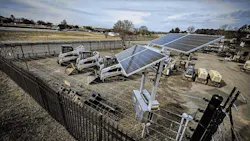

When equipment goes missing, most companies immediately think about the replacement cost. File an insurance claim, buy a new machine, and move on.
The cost of equipment theft is rarely limited to the value of the stolen asset.
For businesses in construction, equipment rental, transportation, and industrial operations, a single theft can trigger a chain reaction of delays, downtime, lost revenue, and frustrated customers. What often starts as one missing piece of equipment can quickly turn into a much larger operational problem.
It's Not Just About What Was Stolen
The biggest mistake many organizations make is looking only at the price tag attached to the stolen equipment.
When a critical machine disappears, the impact is felt immediately. Jobs are delayed, schedules are adjusted, and teams scramble to find alternatives. Equipment that was planned for one project may need to be redirected from another location, creating new challenges elsewhere.
For rental companies, stolen equipment can mean canceled reservations, reduced fleet availability, and missed revenue opportunities. For construction firms, it can lead to stalled work, idle crews, and project timelines that suddenly become much harder to meet.
The longer an operation runs without that equipment, the more expensive the situation becomes.
The Hidden Costs Add Up Fast
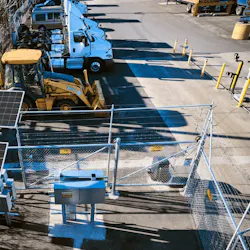
A stolen excavator, skid steer, trailer, or generator affects far more than inventory counts.
Operations teams often spend hours - or even days - reworking schedules, coordinating replacements, and communicating delays to customers. Employees who should be focused on productive work are pulled into damage-control mode.
In organizations with multiple locations, theft can create a domino effect. Equipment may need to be transferred from another yard or branch to fill the gap, leading to transportation costs, logistical headaches, and additional disruption throughout the business.
Customer relationships can also take a hit. When equipment isn't available as promised or projects begin falling behind schedule, reliability comes into question. Rebuilding that trust can take much longer than replacing a machine.
In some cases, the operational consequences ultimately cost more than the theft itself.
Why Many Businesses Still Get Caught Off Guard
Despite the growing frequency and sophistication of equipment theft, many companies still take a reactive approach to security.
Part of the problem is that the true cost of theft is difficult to measure. Insurance may cover some of the replacement expense, but it doesn't account for lost productivity, overtime labor, project delays, missed opportunities, or customer dissatisfaction.
There's also a tendency to assume existing security measures are sufficient until they aren't.
Large outdoor yards, multiple entrance points, inconsistent fencing, poor lighting, and limited visibility can all create opportunities for theft. Because many incidents occur overnight or after hours, companies often don't realize there's a problem until the next business day, when operations are already affected.
For businesses with multiple locations, maintaining consistent security standards can be especially challenging. Even one vulnerable site can become an easy target.
The Case for Prevention
As the costs of theft continue to rise, more organizations are shifting their focus from response to prevention.
Rather than waiting for an incident to occur, businesses are taking a closer look at the areas where they're most vulnerable, especially around the perimeter. Unsecured access points, inadequate fencing, and poorly monitored entry areas are often the first places criminals exploit.
Strengthening perimeter security can dramatically reduce opportunities for theft before valuable equipment is ever at risk.
Many companies are also standardizing security practices across all locations to eliminate weak spots and create a more consistent level of protection.
The objective isn't simply to catch criminals after the fact. It's to prevent disruptions from occurring in the first place.
A proactive security strategy helps keep operations running smoothly, reduces downtime, and allows employees to focus on serving customers instead of managing avoidable setbacks.
Security Is an Operations Issue
Equipment theft is no longer just a security concern - it has become a business continuity issue.
For organizations that depend on equipment availability and operational efficiency, one theft can affect productivity, schedules, customer relationships, and revenue. The impact often extends well beyond the yard, facility, or jobsite where the incident occurred.
That's why many leaders are beginning to view perimeter security as a strategic investment rather than simply a protective measure.
Because the real cost of theft isn't just what's taken.
It's everything that happens after.
Every property has unique security risks and identifying them is the first step toward preventing theft. Schedule a complimentary AMAROK Risk Assessment to receive site-specific recommendations for strengthening your perimeter.