Smart Dewatering for Oil-Contaminated Sump Pits
Story by Tsurumi Pump
Nearly all elevators are required by code to include a sump pit and pump to manage flooding or groundwater seepage. These sumps also collect hydraulic oil and grease, creating challenges for operators who must remove water without discharging contaminants that can cause clogs, violations, and costly municipal fines.
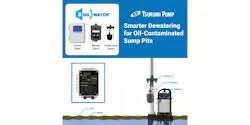
Tsurumi’s Oil Watch system is designed to address this challenge by pumping out water while keeping oil contained in the sump. As water levels rise, the system monitors the sump using a series of three conductive probes and a high-level float switch. When the water reaches the second probe, the pump activates and begins removing the water beneath the oil layer. Since oil naturally floats on top of water, it remains in the pit rather than being discharged.
Once the water level drops below the first probe, the pump shuts off. If oil levels rise too high, the high-level float activates a high oil audible alarm and an indicator light, alerting operators that intervention may be required. In these cases, facilities may remove the oil using a vacuum truck or send it for environmental treatment. Additional alarms can also signal high water conditions, helping operators to respond before flooding occurs.
The Oil Watch system can be integrated into existing sites and works with pumps approved for sump pit applications, including Tsurumi’s VANCS products. Indicator lights display system status including power, pump operation, high water, and high oil conditions. The Oil Watch system can also send an alert to operators when oil levels reach a high level. The alert is sent through a small auxiliary remote alarm panel that can be mounted in accessible areas, such as a maintenance room.
Proper oil containment plays an important role in protecting both infrastructure and the environment. Regulations within the Code of Federal Regulations address oil spill prevention, control, and countermeasure planning for facilities, with the goal of preventing oil from reaching waterways. This ensures appropriate response measures when oil discharge occurs.
Check out the Oil Watch system in action: watch now.